Understanding Hydration
The Science of Water and Body Function
What is Hydration?
Water comprises approximately 50-70% of total body mass, depending on age, sex, and body composition. This water exists both inside cells (intracellular) and in the spaces between cells (extracellular), including blood plasma.
Hydration status refers to the balance between water intake and water loss. The body constantly regulates this balance through complex mechanisms involving thirst, hormones, and kidney function.
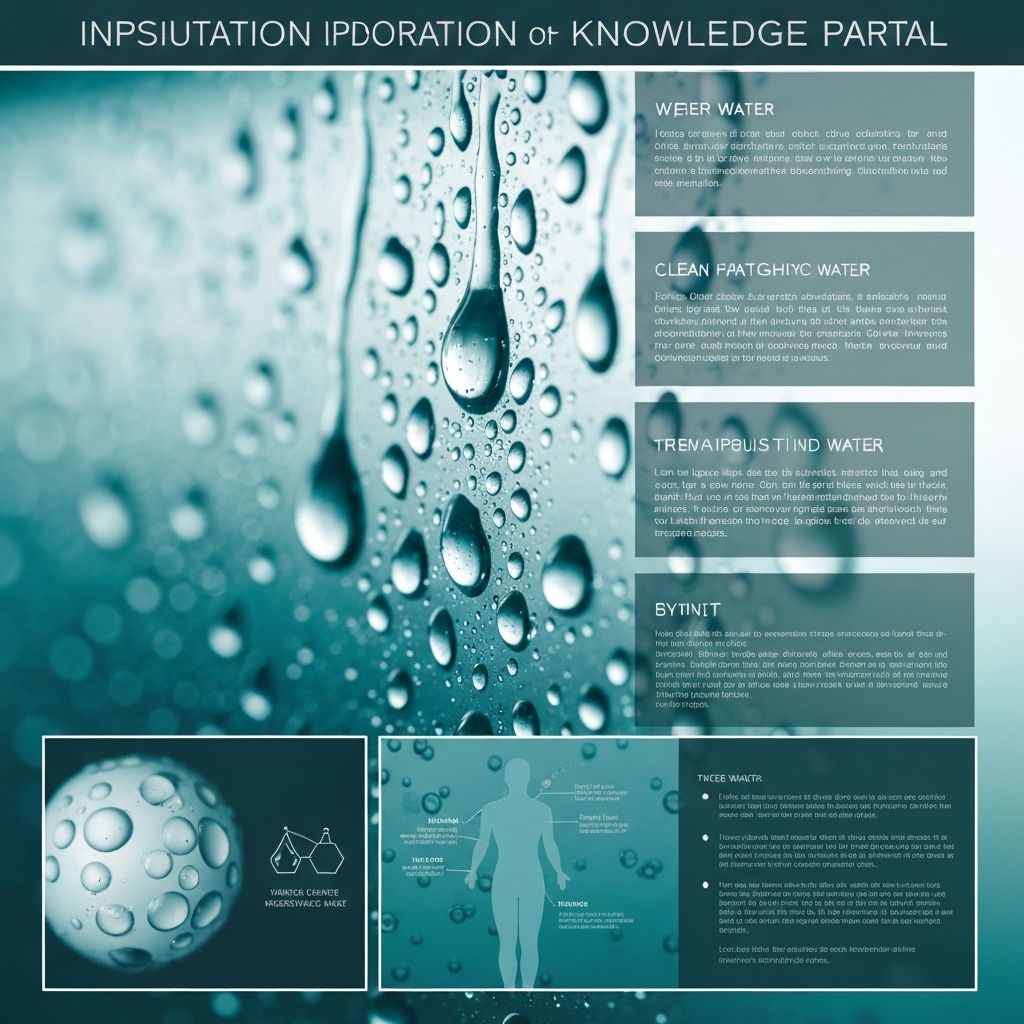
Functions of Water in the Body
Water serves multiple essential functions:
- Temperature Regulation: Water's high heat capacity allows the body to absorb and distribute heat, maintaining stable temperature through sweating and respiration.
- Nutrient Transport: Water dissolves and transports nutrients, minerals, and other substances throughout the body via blood and other body fluids.
- Waste Removal: The kidneys use water to filter metabolic waste products and eliminate them through urine.
- Joint Lubrication: Synovial fluid in joints is primarily water, maintaining mobility and cushioning movement.
- Cellular Function: All intracellular processes occur in aqueous environments; water is essential for enzymatic activity and cellular reactions.
- Cognitive Function: Brain tissue is approximately 75% water; adequate hydration supports concentration and cognitive performance.
Water Balance and Regulation
The body maintains water balance through several mechanisms:
- Thirst Mechanism: Specialized receptors detect blood osmolarity (water concentration) and signal thirst when hydration decreases.
- Antidiuretic Hormone (ADH): This hormone regulates kidney water reabsorption, concentrating or diluting urine based on hydration status.
- Aldosterone: This hormone influences both water and sodium regulation, affecting overall fluid balance.
Daily Water Needs
Water requirements vary significantly based on multiple factors including climate, activity level, age, health status, and diet composition. Fluid intake comes from drinking water, other beverages, and food (many foods contain significant water content).
Individual hydration needs should be determined by personal observation of thirst, urine color, and overall wellbeing rather than following fixed recommendations.
Context and Variability
Hydration needs differ considerably across individuals and circumstances. Physical activity, climate, altitude, health conditions, medications, and dietary choices all influence water requirements. What constitutes adequate hydration for one person may be insufficient or excessive for another.
Information Context
This article explains scientific concepts about hydration and water function in the body. Individual hydration decisions should be made based on personal circumstances and individual signals of thirst and wellbeing, not fixed recommendations.